weird probate Issues

Weird Probate Issues Part 6: Strange and Unexpected Deaths
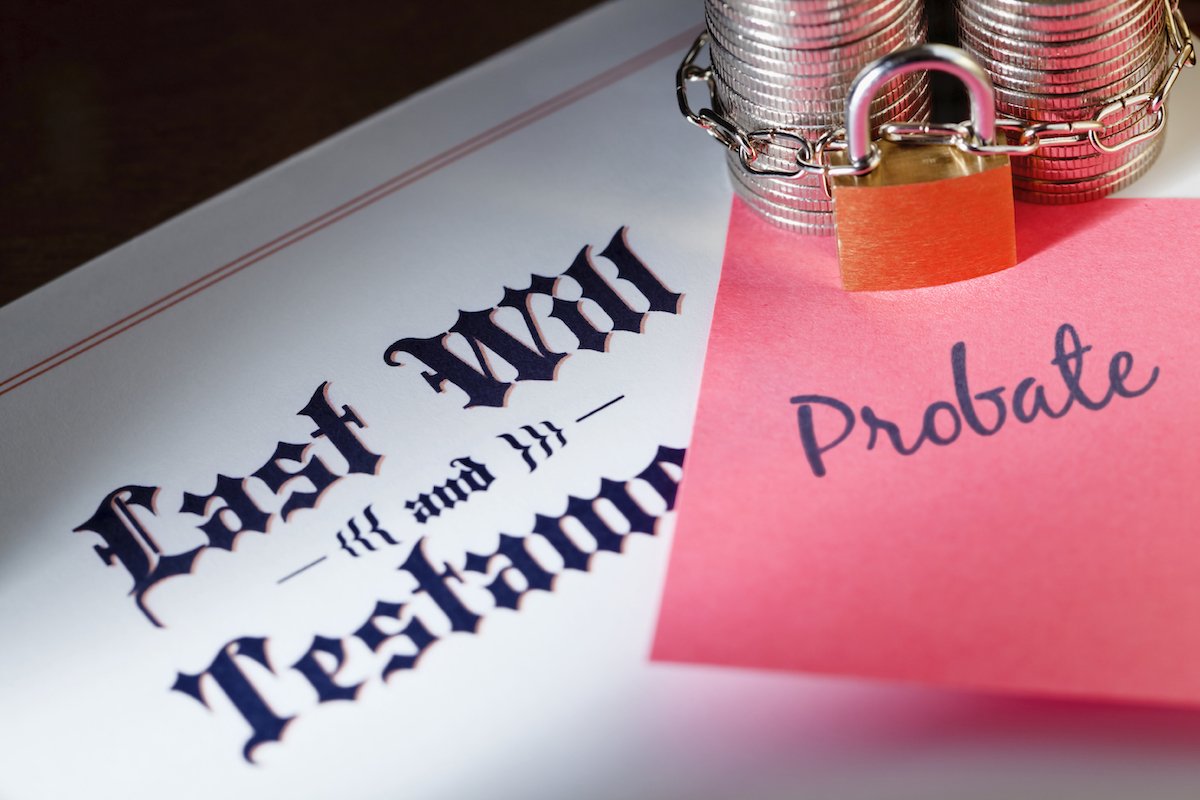
Last Will and Probate

Death is a serious subject — but history has not been without its share of extraordinarily peculiar departures from this mortal coil. Our Weird Probate Issues series continues in its morbidly popular vein. Beyond the dark humour, however, each of these stories carries a practical estate planning message: death can be unexpected. The time to prepare is now.

Small Estates: When You Might Not Need a Full Grant of Probate

Lawyer reviewing estate documents for probate in South Australia

Many people assume that every deceased estate must go through a formal Grant of Probate before anything can be done. In reality, where an estate is modest in size and straightforward in nature, South Australian law and long-standing institutional practice allow for simpler, cheaper, and faster ways of finalising a person’s affairs. Understanding when a small estate can bypass the full probate process – and when it cannot – can save a grieving family significant time, expense, and paperwork.

Weird Probate Issues Part 3: Famous Last Words

weird probate Issues

They say you cannot take it with you — but that has never stopped some people from trying to have the last word. Our earlier Weird Probate Issues articles proved so popular that we have developed an entire series. This instalment features fourteen individuals who used their Wills to make extraordinary, eccentric, and sometimes frankly bizarre final demands. While entertaining, each example carries a serious reminder: your Will is a legal document. Getting it right matters.

Genders and Partners Dementia will soon become Australia's Leading Cause of Death

Dementia and Estate Planning: Act Before It Is Too Late

Genders and Partners Dementia will soon become Australia's Leading Cause of Death

Dementia is now among Australia’s leading causes of death. The number of Australians living with dementia is projected to rise significantly in the decades ahead as the population continues to age and curative treatments remain elusive. For families and individuals, the implications extend far beyond medical care. Dementia reaches into estate planning, legal capacity, and financial security in ways that too few people address until it is too late.

Probate in South Australia: What It Is, When You Need It, and How It Works

Probate in South Australia — when it is required, how to apply, and what executors need to know about estate administration

When a person dies in South Australia, those responsible for winding up their affairs must navigate a legal process before the deceased’s assets can be distributed. For many families, the centrepiece of that process is probate. Yet despite its importance, probate is widely misunderstood. Some people believe it is always required; others assume it is never necessary if there is a valid Will. The truth, as in most legal matters, lies in the particular circumstances. This article explains what probate is, when it is required in South Australia, how the process works, and what those administering an estate can expect.

payment to act as executor

Payment to act as Executor

payment to act as executor

As executor of a deceased estate you need to take a lot of care and responsibility.  But what, if anything, are you entitled to receive for your efforts?

In the last month I have received multiple enquiries from executors asking this question. The answer is not what they want to hear.

As executor you may pay (or reimburse) your reasonable out-of-pocket expenses from the estate’s assets.

why does probate take so long

Why Does Probate Take So Long

why does probate take so long

Recent research from the UK confirms what many of us have known for some time: The estates administration process in Australia and the UK is paper-heavy, slow and inefficient and is causing stress, frustration, and even mental health issues for those involved.

In a recent annual Bereavement Index 2021, looking at the legal and financial responsibilities that come with administering deceased estates, UK research has discovered that 88 per cent of legal professionals think the probate process is too slow and inefficient.