Updated: 17 November 2026
By Rod Genders | Genders and Partners | revised 17 November 2026

When a relationship ends, most separating parents focus – rightly – on parenting arrangements and property settlement. But there is a further, less obvious question that deserves attention: what happens to your children, and their inheritance, if something happens to you?
Who Looks After Your Children if You Cannot?
If a parent dies or becomes permanently incapacitated, the children will need someone to care for them and to manage decisions on their behalf. Your Will can nominate a testamentary guardian – an adult who is prepared to step into that role if both parents are no longer able to. This nomination does not override the surviving parent’s automatic legal position, but it becomes highly relevant if both parents die, or if there are genuine concerns about a former partner’s fitness to parent.
Choosing the Right Guardian
There is no single right answer, but the following questions are a useful starting point when deciding who to nominate:
- What values, parenting style and stability can this person offer your children?
- Do they already have a warm relationship with your children?
- Are they physically, financially and emotionally able to take on the role?
- Would your children need to relocate, and what would that mean for their schooling and friendships?
It is common, and often sensible, for both separated parents to nominate the same back-up guardian, to avoid a fresh dispute arising between two extended families if the worst should happen.
Testamentary Trusts
Rather than leaving assets to children outright at age 18, many parents choose to establish a Testamentary Trust in their Will. A trustee holds and manages the inheritance for the children’s health, education, maintenance and general welfare, releasing funds at an age (or ages) you choose – commonly somewhere between 18 and 30. This avoids a lump sum falling into the hands of a young adult all at once, and can offer valuable tax and asset protection benefits, particularly in blended family situations.
Choosing the right trustee matters as much as choosing the right guardian. If your relationship with your former partner’s family has changed since separation, it is worth reviewing whether they remain the right people to manage funds for your children.
Special Needs Planning
If one of your children has a disability or is otherwise expected to need lifelong support, a Special Disability Trust or similarly structured testamentary trust can be used so that an inheritance does not inadvertently disqualify your child from means-tested support such as the Disability Support Pension or National Disability Insurance Scheme funding.
NDIS funding is not means-tested, so an inheritance by itself does not reduce it on account of the child’s income or assets. How the inheritance is later applied can still matter, because NDIS funding follows the child’s assessed needs, and a need already met from the inheritance may attract less funding.
This is a specialised area, and early advice is important.
Reviewing Arrangements as Circumstances Change
A guardianship nomination or testamentary trust made at the time of separation should not simply be filed away. As children grow older, as your former partner’s circumstances change, and as new relationships form, these documents should be reviewed – ideally every few years, and always after a significant life event.
Getting the Documents Right
It can be tempting to rely on a DIY Will or a template found online, particularly during the financial pressure that often accompanies separation. Unfortunately, mistakes in guardianship clauses and trust wording are rarely discovered until after death, when it is too late to fix them – and the resulting legal costs and family conflict typically far exceed what proper advice would have cost at the outset.
Want to Find Out More?
If you have questions about protecting children after separation or divorce, or would simply like to talk through your own circumstances, Genders and Partners is here to help.
When it comes to Wills, Probate, Deceased Estates, asset protection and estate planning in Australia, you can trust the oldest law firm in South Australia – Genders & Partners – to guide you through the tough decisions to create the best solution for your individual needs.
If you have any questions or would like further information, or a quick phone call to discuss, book a timeslot for a free 15-minute phone consultation.
We can help you to protect yourself and your family. We look forward to being of service.
More Children and Estate Planning Resources
- Testamentary Trusts: Building a Will That Protects Your Beneficiaries
- Planning for Minor Children
- Planning for Blended Families
- FAQs – Wills and Estate Planning
- Podcast – Genders and Partners
All these and many more protecting children after separation or divorce topics are available for discussion with the oldest law firm in South Australia. Browse further articles on our Adelaide Lawyer Blog.
This article revised and updated 17 November 2026.
Disclaimer: This article provides general information only and does not constitute legal or family law advice. Guardianship, parenting and trust arrangements depend heavily on individual family circumstances, and you should seek advice tailored to your situation.
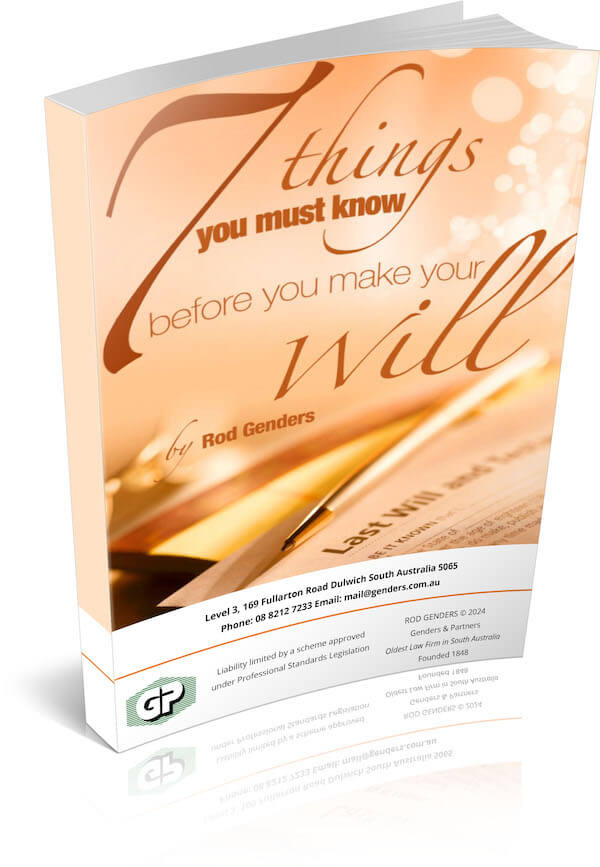
SPECIAL REPORT “7 Things You Must Know
Before You Make Your Will”
In this report you will Learn:
Why home-made Wills can be a LOT more expensive than you might think.
The secret weapons used by the rich & powerful to protect their assets, and transfer their wealth two or three generations ahead.
How Estate and Trustee Companies make BIG money from “free” Wills.
The Most Common Estate Planning Mistakes, how they can cost your family a fortune, and How to Avoid Them.
The Elements of a Sound Estate Plan – why a Will alone is not enough.
How to Make Sure Your Assets Stay in Your Family and are not lost to creditors, lawsuits or ex-spouses.
How to guard against challenges to your Estate after you’re gone.