Updated: 12 October 2026
By Rod Genders | Genders and Partners
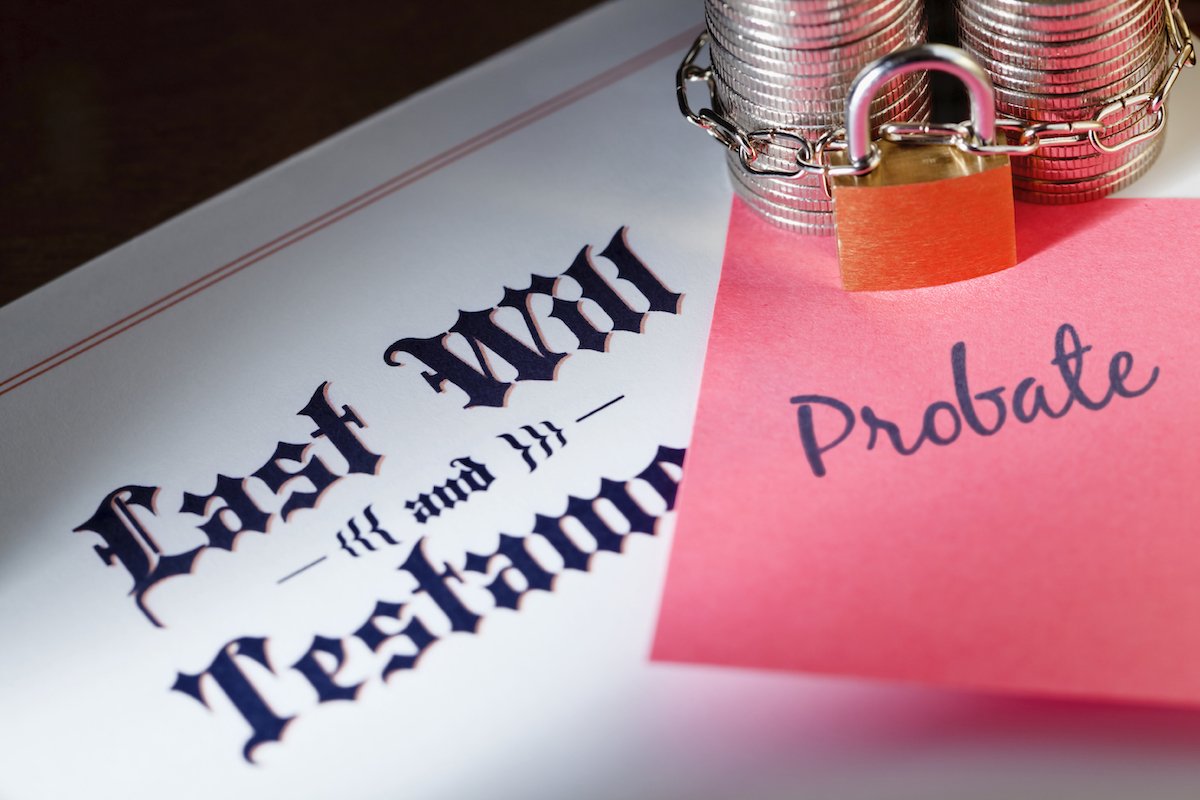
Celebrity estates are public affairs. When something goes wrong, it goes wrong in full view of the world. The estate planning mistakes of the rich and famous offer the rest of us an invaluable education — at no personal cost. Here are thirteen cautionary tales and the lesson each one teaches.
1. Jimi Hendrix — No Will at All
The guitar legend died at 27 without a Will. Under the law applicable at the time, his father inherited everything. His close brother Leon received nothing. His father built the musical legacy into an $80 million business and later cut Leon out of his own Will in favour of an adopted daughter. The lesson: no one is immortal. Create a Will.
2. Warren Burger — Do-It-Yourself Documents
Chief Justice of the US Supreme Court Burger died in 1995 with a 176-word homemade Will. His family paid $450,000 more in estate taxes than necessary, and his executors had to seek court approval for routine estate administration acts. The lesson: even if you understand the law, engage a specialist estate planning solicitor to draft your Will.
3. Princess Diana — Relying on a Letter of Wishes
Diana left a detailed Will, but also a separate letter of wishes asking her executors to distribute her belongings among her sons and seventeen godchildren. The letter was not legally binding. Each godchild received only a trinket, not the substantial bequest Diana apparently intended. The lesson: if it is not in the Will, do not rely on it.
4. Heath Ledger — Failure to Update
Ledger died at 28 with a Will written three years earlier, before his relationship with the mother of his daughter Matilda Rose. His Will left everything to his parents and sister. Under South Australian law, certain relationships that arise after a Will is made may entitle persons to make a claim under Part 5 of the Succession Act 2023 (SA). The lesson: when life changes, update your Will, Enduring Power of Attorney, Advance Care Directive, joint accounts, superannuation, and insurance.
5. Doris Duke — Poor Choice of Executor
Tobacco heiress Duke died in 1993 with a fortune of $1.3 billion and named her butler as executor and trustee of her charitable foundation. Questions about the butler’s lifestyle and spending provoked expensive litigation. The lesson: choose an executor who is competent, trustworthy, and independent.
6. Marlon Brando — Oral Promises
Brando’s personal assistant claimed he had given her the house she lived in and promised her ongoing employment. She ultimately settled with the estate for $125,000 and further out-of-court payment. The lesson: oral promises made in connection with estate planning have no legal effect. If you intend a gift or arrangement, execute it in writing.
7. Florence Griffith Joyner — Inaccessible Documents
When Olympic sprinter FloJo died at 38, her husband could not locate her original Will and failed to file it with the probate court within the required period. The court ultimately appointed a third-party administrator. The lesson: tell at least two trusted people where your original Will is kept. Consider lodging it with your solicitor or in a fireproof safe.
8. Leona Helmsley — Cutting Out Grandchildren Without Capacity Documentation
Helmsley left $12 million to her dog, Trouble, and cut two of her four grandchildren out of her Will. The excluded grandchildren challenged her testamentary capacity. The case settled for $6 million plus legal fees. The lesson: if you are older and making significant departures from what your family might expect, a solicitor-conducted capacity assessment and written record of instructions significantly reduces the risk of a successful challenge.
9. Brooke Astor — Wrong Choice of Attorney
Astor’s son Anthony Marshall was convicted of misusing his power of attorney over her finances, giving himself a retroactive $1 million raise. The lesson: choose your attorney carefully. Under the Powers of Attorney and Agency Act 1984 (SA), an attorney has fiduciary duties, but the best protection is selecting someone with genuine integrity and independence.
10. Ted Williams — Conflicting Burial Instructions
Williams’ Will directed cremation, but a separate note allegedly expressed a wish for cryonic preservation. His children from a second marriage chose cryonics; his eldest daughter could not afford to fight the decision. The lesson: if you change your mind about your burial or disposal wishes, amend your Will formally by codicil or execute a new Will.
11. Bobby Fischer — No Will
World chess champion Fischer died in Iceland in 2008 without a Will. Multiple parties — a long-time partner, American family members, and a woman claiming he was the father of her daughter — all came forward seeking to inherit. A court ordered exhumation for DNA testing. The lesson: many of these complications dissolve with a simple, well-drafted Will.
12. Gary Coleman — Failure to Update Health Care Directive
Coleman created a health care directive giving his then-wife authority to make medical decisions. Four years later they were divorced, but he never revoked the directive. His ex-wife made the decision to remove life support. In South Australia, an Advance Care Directive made under the Advance Care Directives Act 2013 (SA) should be reviewed whenever your personal circumstances change significantly. Divorce alone does not automatically revoke a directive.
13. Allan Scott — Failure to Manage Family Expectations
Mt Gambier trucking magnate Scott left the bulk of his $600 million estate to two favoured children. Two daughters each settled family provision claims for more than $12 million, more than three times what each had been left. His widow’s claim was also on foot. Under Part 5 of the Succession Act 2023 (SA), eligible persons who have not been adequately provided for may bring a family provision claim. The lesson: preferring some family members over others requires careful planning and specialist advice.
The Common Thread
These thirteen cases share a common thread: each disaster was preventable. A well-drafted Will, kept current and stored securely, prepared with the assistance of a specialist estate planning solicitor, would have averted most of them. Estate planning is not a morbid exercise — it is an act of care for those you love.
In South Australia, family provision claims are now governed by Part 5 of the Succession Act 2023 (SA). The Inheritance (Family Provision) Act 1972 (SA) has been repealed. If you are concerned about the potential for a claim against your estate, or if you believe you may have been inadequately provided for, you should seek specialist legal advice promptly as strict time limits apply.
Want to Find Out More?
These celebrity cautionary tales are a reminder that estate planning mistakes are not confined to the famous. Genders and Partners has been assisting South Australians to protect their families and avoid costly estate planning disasters since 1848.
When it comes to Wills, Probate, Deceased Estates, asset protection and estate planning in Australia, you can trust the oldest law firm in South Australia – Genders & Partners – to guide you through the tough decisions to create the best solution for your individual needs.
If you have any questions or would like further information, or a quick phone call to discuss, book a timeslot for a free 15-minute phone consultation.
We can help you to protect yourself and your family. We look forward to being of service.
More Wills and Estate Planning Resources
- Wills and Estate Planning | Genders and Partners
- The DIY Wills Curse | Genders and Partners
- Errors I Have Seen in DIY Wills (Just in the Last Six Months)
- Wills FAQs | Genders and Partners
- 12 Dangerous Stresses of Administering a Deceased Estate in SA
- Weird Probate Issues Part 4
All these and many more wills and estate planning topics are available for discussion with the oldest law firm in South Australia. Visit our Adelaide Lawyer Blog for more articles.
This article revised and updated 12 October 2026.
Disclaimer: The content of this article is general in nature and is not intended to constitute legal advice. Wills, estate planning, and family provision matters can be complex, and laws and procedures may change over time. You should always seek independent legal advice from a qualified practitioner before making decisions about your estate.
SPECIAL REPORT “7 Things You Must Know Before You Make Your Will”
In this report you will Learn:

Why home-made Wills can be a LOT more expensive than you might think.
The secret weapons used by the rich & powerful to protect their assets, and transfer their wealth two or three generations ahead.
How Estate and Trustee Companies make BIG money from “free” Wills.
The Most Common Estate Planning Mistakes, how they can cost your family a fortune, and How to Avoid Them.
The Elements of a Sound Estate Plan – why a Will alone is not enough.
How to Make Sure Your Assets Stay in Your Family and are not lost to creditors, lawsuits or ex-spouses.
How to guard against challenges to your Estate after you’re gone.